Open access · 2024
A Novel Approach to Wave Energy Conversion Using CFD Technique
N. Abbas, M. Barbahan, Y. Kabrial, A. Kabrial
Polish Maritime Research · Vol. 31, Issue 3
- Method
- CFD
- Validation
- Experimental
- TRL
- 3 → 5
- Access
- Open
Pre-commercial · TRL 3→5
From scientific theory and CFD simulation — to validation in a relevant environment along Sweden's west coast.
TRL
3 → 5
Source
Polish Maritime Research
Method
CFD · validated
Stage
Pre-commercial
Starting point
Europe has over 100 GW of technical wave energy potential. Yet few concepts have crossed from simulation into verified application. At the same time, the need is growing for dispatchable, fossil-free baseload and for infrastructure that meets an increasingly exposed coastal climate. Energy is lost in what is never built.
100+GW
EU technical potential
<1GW
Deployed capacity
~99%
Untapped
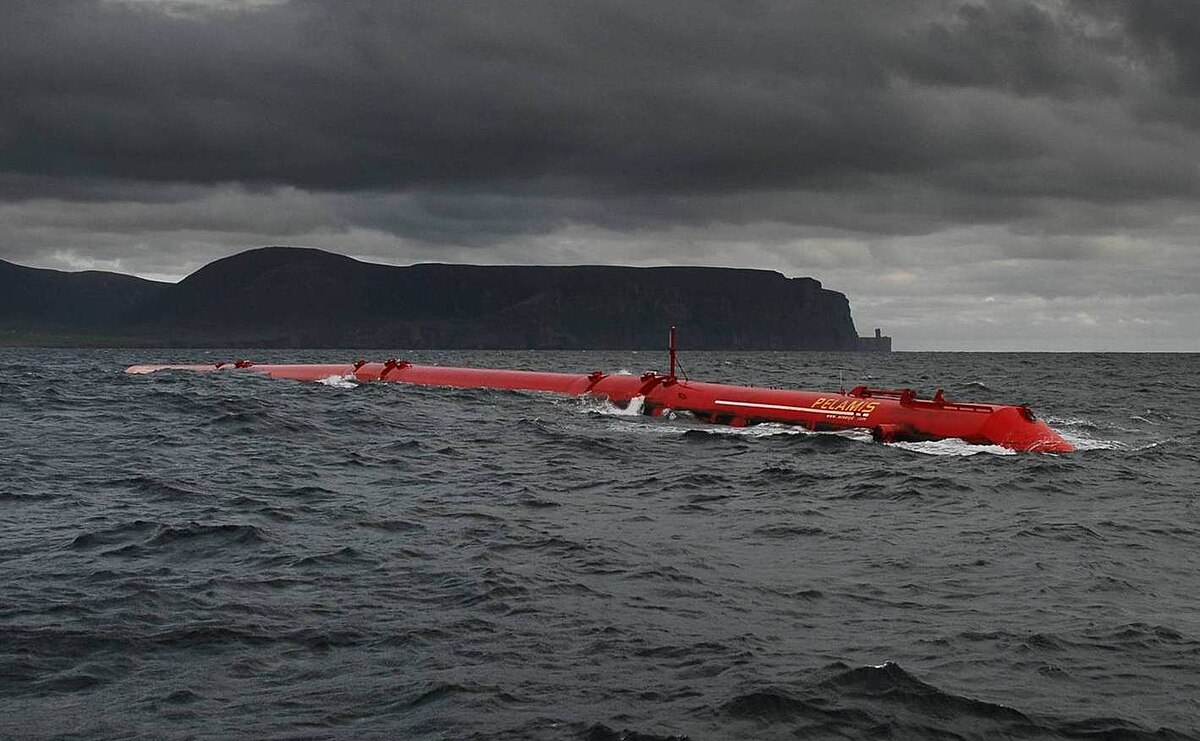
The insight
A new concept — validated against experimental data through CFD methodology — demonstrates that kinetic energy in marine waves can be converted more efficiently than previously assumed.
Sweden's west coast
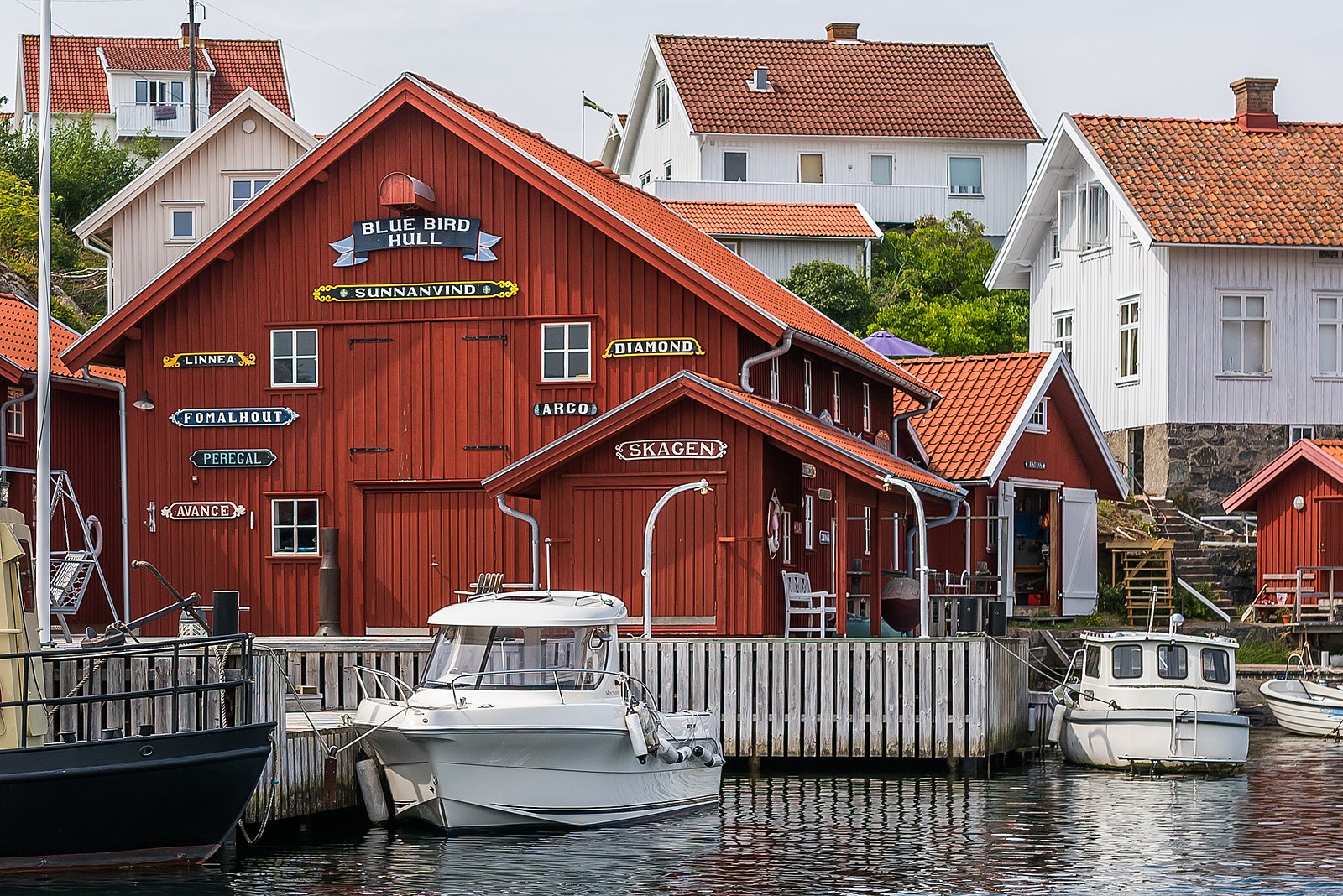
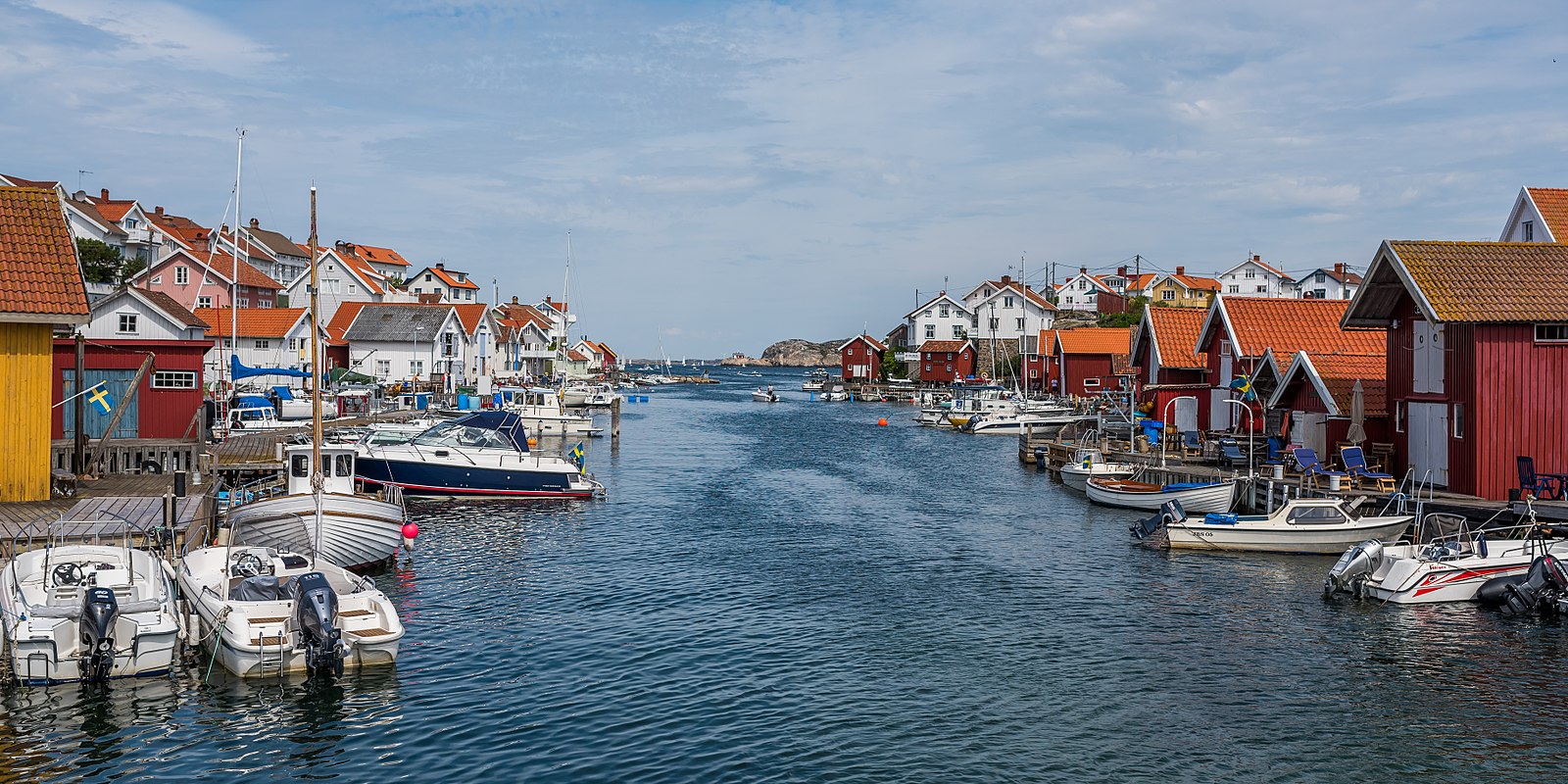
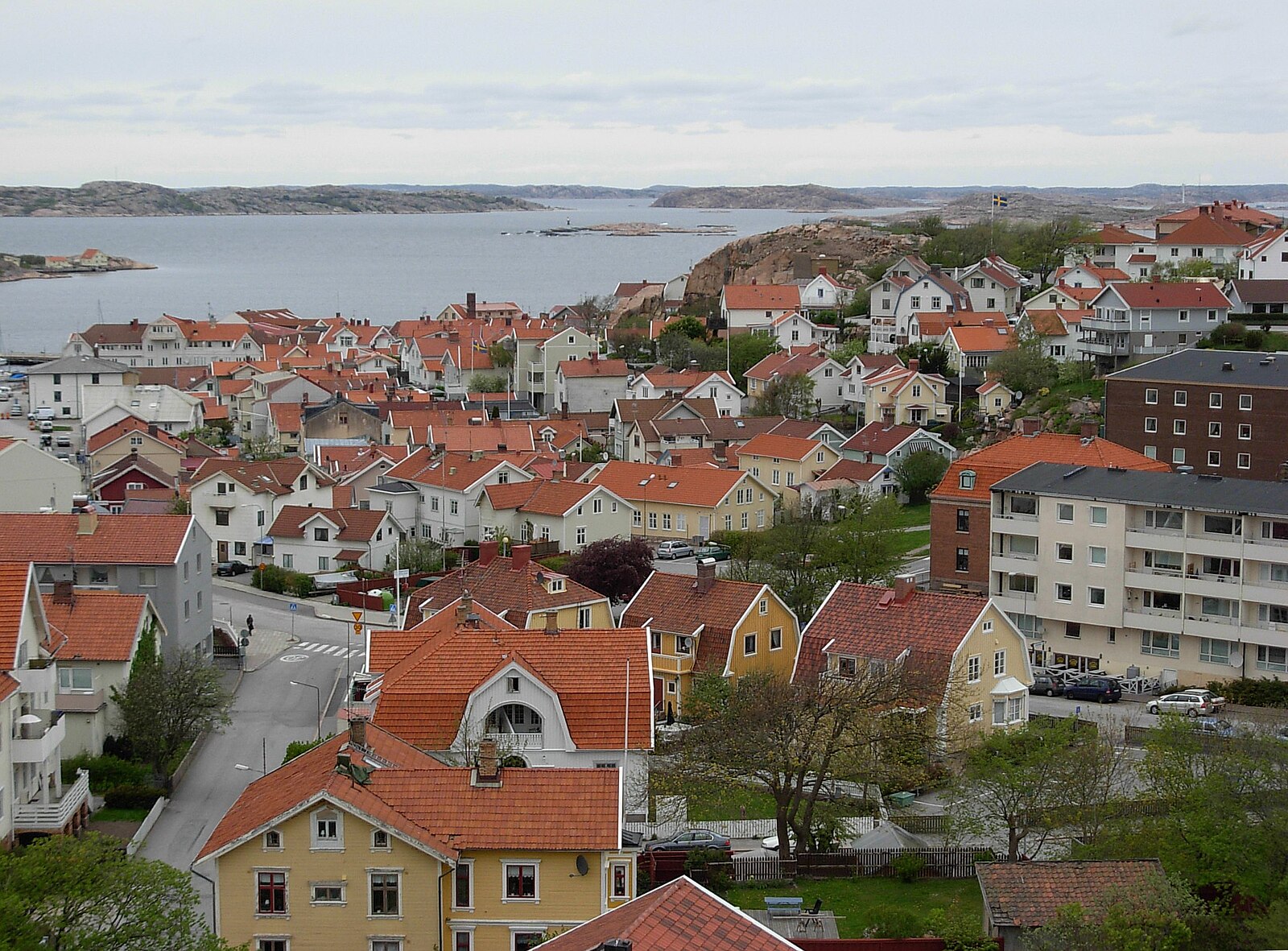
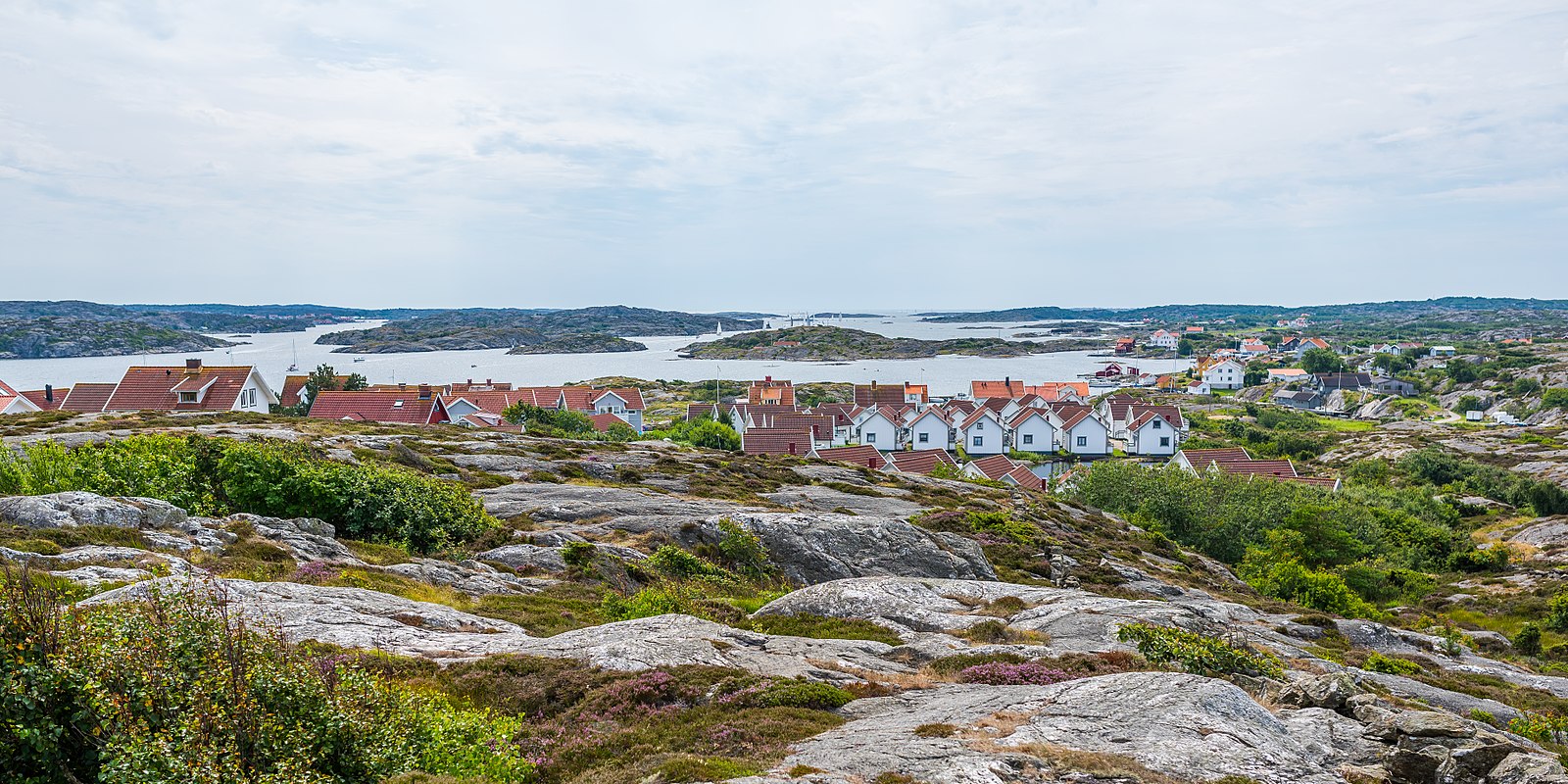
The Bohuslän coastline — from the Gothenburg archipelago up to Kosterhavet — offers high wave energy, established ports and close access to research infrastructure. This is where ScandWave's testbed is planned to be verified.
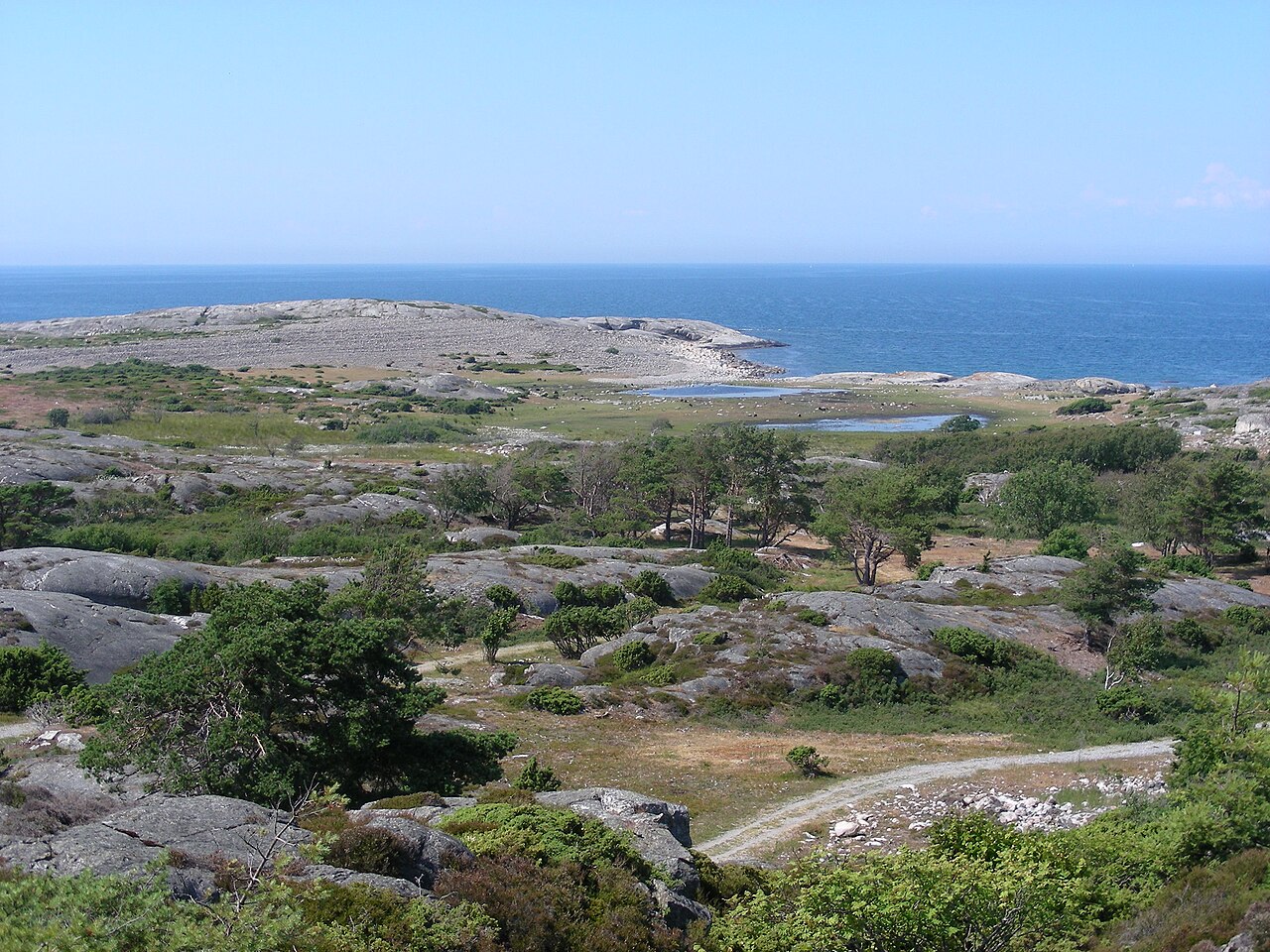
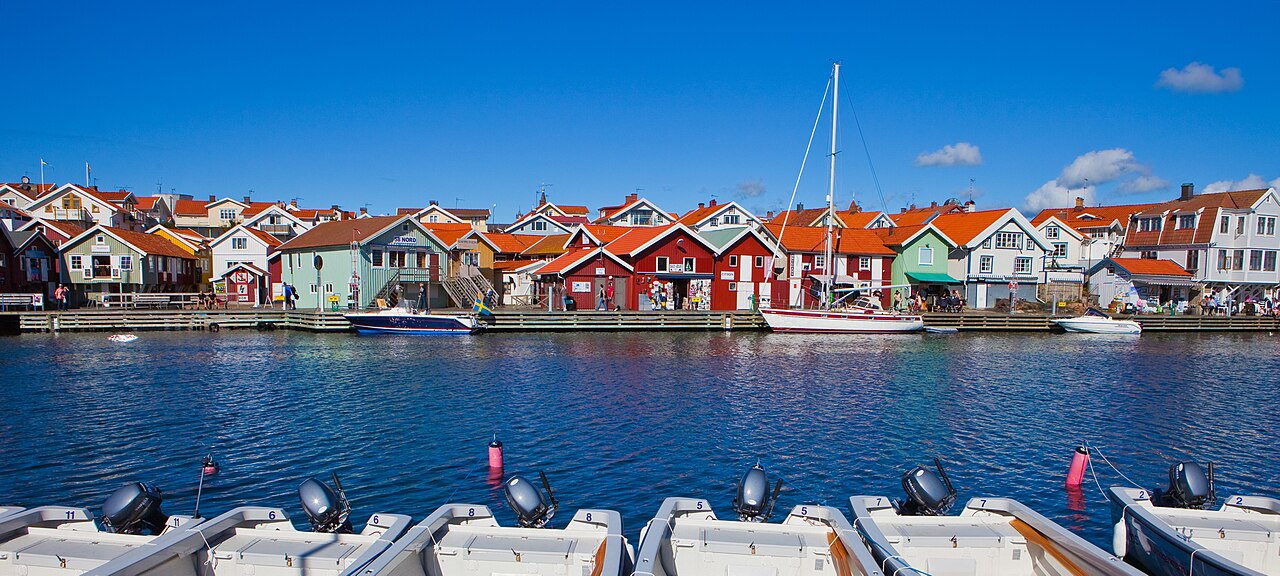
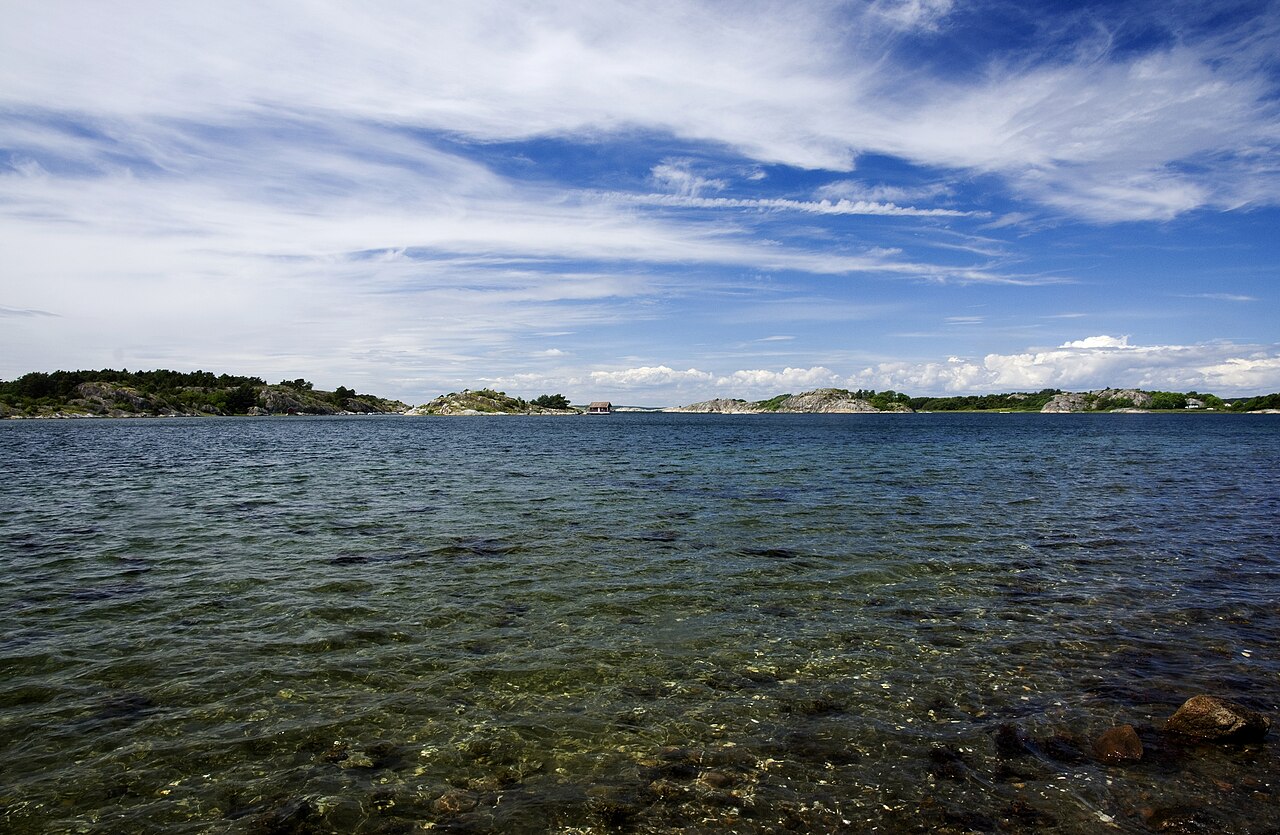
The concept
ScandWave converts wave motion into usable energy through a mechanical and system-based process, analysed using Computational Fluid Dynamics.
Geometry optimised against real wave behaviour via CFD simulation — seabed-fixed, sized for mid-range near-shore waves.
A channel geometry concentrates the wave's kinetic energy into a mechanical chain designed for low loss and scalability.
Modular system logic from testbed to pilot — and onward as a hybrid module on the same offshore platform as wind and solar.
Hybrid renewable technology
ScandWave combines wave motion with complementary renewables on a single offshore platform. The system is designed to co-operate with wind and solar, and to support marine industries along Sweden's west coast.
Wave energy combined with wind and solar on a shared offshore platform — lower balancing needs and more stable output.
ScandWave
ScandWave targets the near-shore transition zone, where waves still carry ~80 % of their energy. The wave component is seabed-fixed, scales in smaller increments, and acts as a base-load complement to wind and solar on the same platform.
Stable, locally generated electricity for sustainable aquaculture, marine farming and coastal food production — aligned with FAO's work on sustainable aquatic food systems.
ScandWave
Unlike diesel gensets or long grid runs — identified by the FAO as a bottleneck for sustainable aquatic food systems — ScandWave delivers electricity on-site. The wave component keeps pumps, sensors and cooling running even when wind and solar output are low.
Designed with respect to coastal ecosystems and biodiversity, informed by current evidence on the marine environmental effects of wave power.
ScandWave
ScandWave builds on the knowledge base assembled by havet.nu on the marine effects of wave power. Its seabed-fixed design minimises surface disturbance, avoids moving parts in the water column where marine life is most sensitive, and can be removed without lasting seabed impact. The foundation concept is being studied in low-carbon marine concrete with a secondary artificial-reef function — so the infrastructure contributes to biodiversity rather than competing with it.
Scientific foundation
Open access · 2024
N. Abbas, M. Barbahan, Y. Kabrial, A. Kabrial
Polish Maritime Research · Vol. 31, Issue 3
Selected graphs from Abbas et al. (2024). Simulated pressure and moment over time are used to compare the device response with and without a hemispherical geometry — the basis for the continuing prototype sizing work.
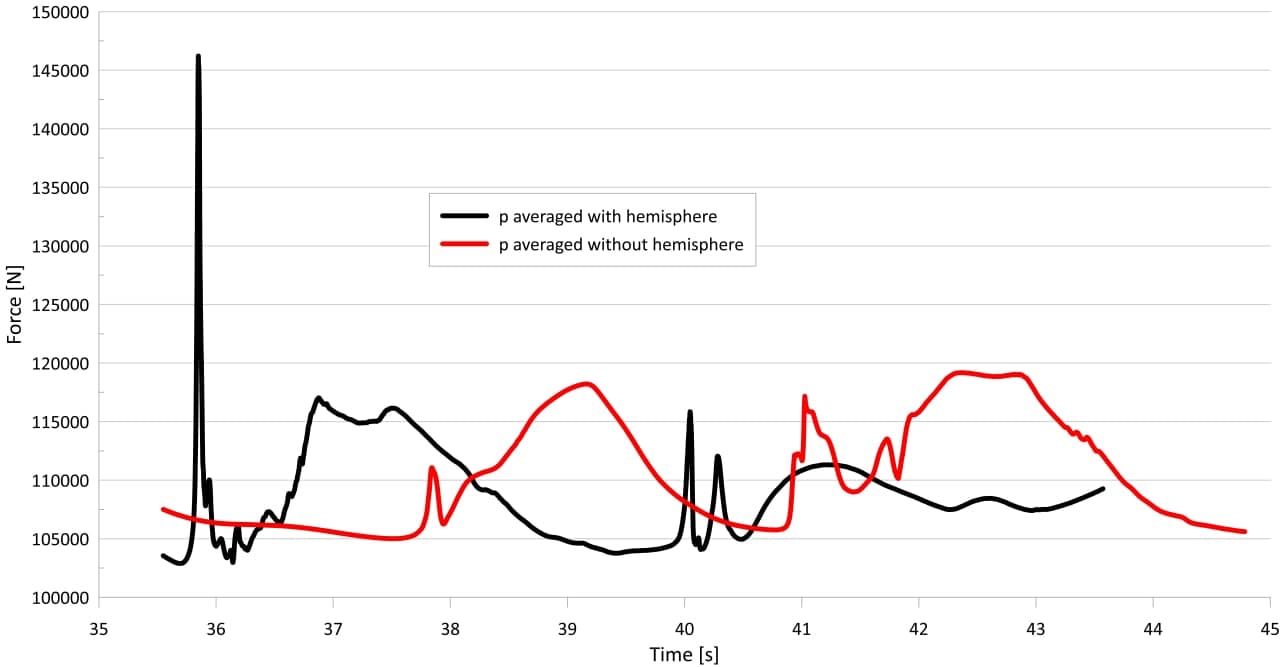
Fig. 1
Pressure over time — with and without hemisphere
Time series of averaged pressure (p) at the device inlet. Comparing configurations with and without the hemispherical feature shows how the geometry stabilises the pressure signal and raises the effective mean pressure.
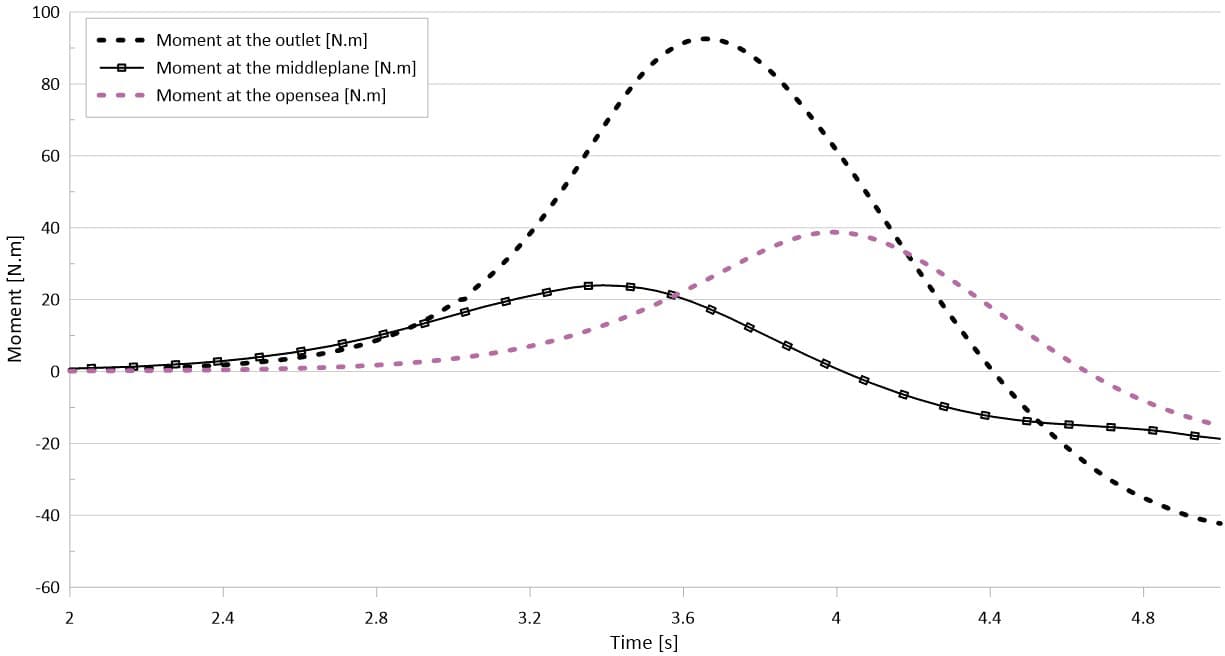
Fig. 2
Moment at outlet, middleplane and open sea (2.4–4.5 s)
Moment [N·m] measured at three sections — outlet, middleplane and open sea. The difference between sections reflects energy extraction along the device during a wave cycle.
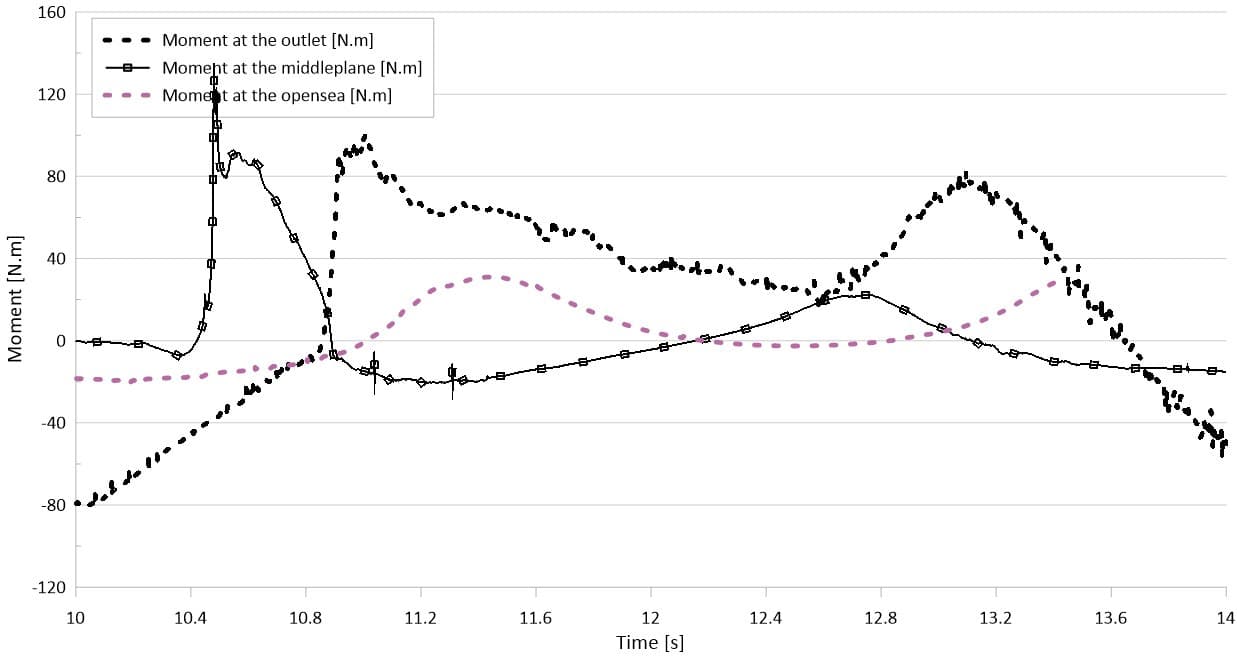
Fig. 3
Moment in quasi-steady regime (10.4–13.2 s)
The same three sections in a later, settled time window. Used to estimate steady-state power take-off and mechanical loads for component sizing.
Development phase
The project is structured in five development stages, from concept and simulation toward verified prototype and pilot. Current status: stages 1–2.
Consolidation and review of existing research, simulations and design assumptions.
Selection of test level, dimensioning and practical scope for prototype or testbed.
Technical specifications, component needs, test logic and buildability assessment.
Establishment of prototype/test environment and first practical tests.
Evaluation, documented learnings, and decision on pilot or scale-up toward commercial phase.
Consortium
ScandWave Energy AB initiates and leads the project together with an industrial co-applicant, project and funding support via Adect, and relevant test and research partners in later stages.
Research team
CEO & Founder · Mechanical & energy engineering
Co-founder · Mechanical & energy engineering
Study author · Universität Rostock · CFD simulation (Ansys)
Study author · Politechnika Gdańska · Marine & naval engineering
Study author · research
Project lead & partnerships
Research notes
Dialogue
Tomorrow's energy doesn't break the coast — it builds it.
We welcome conversations with industrial partners, public funders and research organisations ahead of the next development phase.
Project lead & partnerships
Sargon Orahim
scandwave@gmail.comSend an email
Chief Executive Officer
Jakob Kabrial
scandwave@gmail.comSend an email